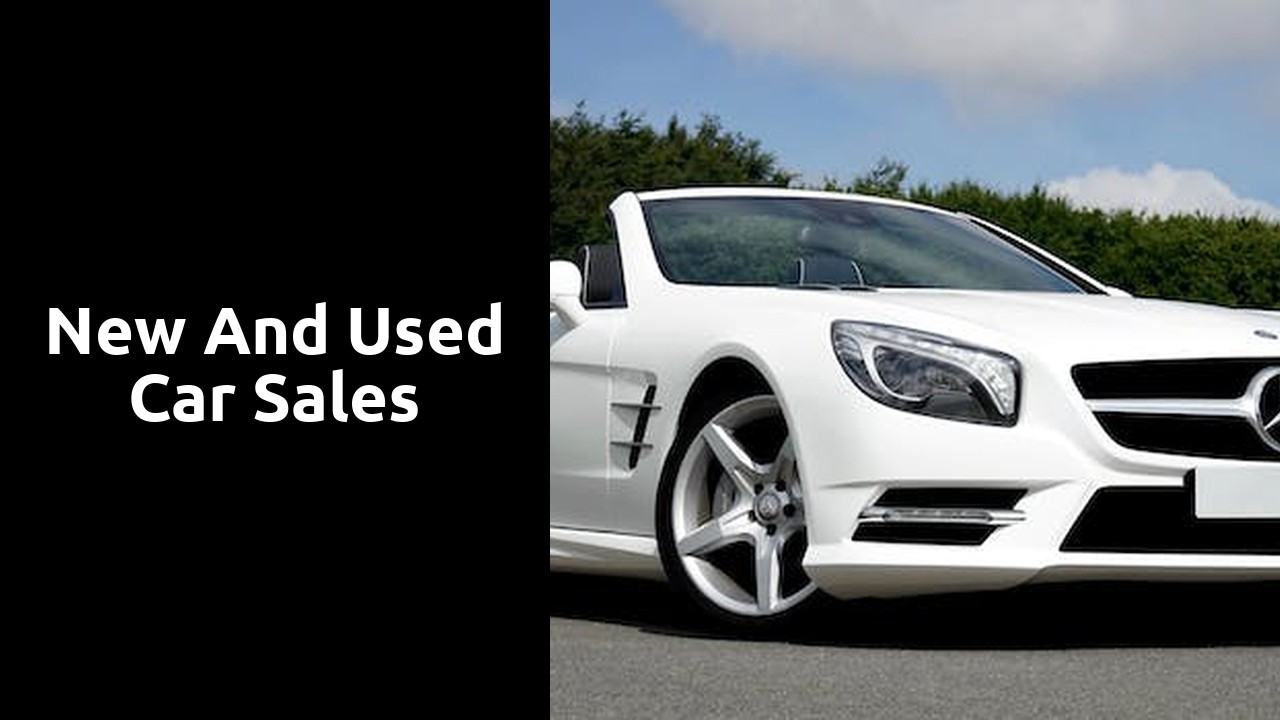
New and Used Car Sales
Auto provides a comprehensive service for both new and used car sales. With a wide range of options available, customers can find their dream cars at affordable prices. The knowledgeable staff at Auto assists buyers in making informed decisions, ensuring that all their requirements are met. Whether it is a brand new vehicle with the latest technology or a reliable used car, Auto offers a diverse selection to cater to various budgets and preferences. Their reliable service includes thorough vehicle inspections, vehicle history reports, and financing options. With Auto, customers can have peace of mind knowing that their car purchase is backed by a reputable company that values their satisfaction.
H2: Tips for Inspecting a Used Car
Tips for Inspecting a Used Car
When it comes to buying a used car, inspecting it thoroughly is crucial to ensure you're making a wise investment. The first step is to carefully assess the exterior condition of the vehicle. Check for any signs of rust, dents, or scratches. Chipped paint or mismatched panels could indicate previous accidents or poor repairs. Pay close attention to the condition of the tires as well. Uneven wear patterns might suggest suspension or alignment issues. Additionally, inspect the headlights, taillights, and turn signals to ensure they are in proper working order. Taking the time to thoroughly inspect the exterior will give you an initial idea of the car’s overall condition and help you make an informed decision.
Moving on to the interior, start by checking the condition of the seats and upholstery. Look for any tears, stains, or signs of excessive wear. A strong odor may indicate water damage or mold. Test all of the vehicle's features, including the air conditioning, heating, radio, and power windows. Make sure all controls are functioning properly. Don't forget to inspect the trunk as well, ensuring there are no signs of water leakage or rust. By examining both the exterior and interior of the used car, you can identify any potential issues and assess if it meets your expectations and needs.
H3: Exterior Condition
When inspecting the exterior condition of a used car, it is important to pay attention to every detail. Start by examining the body for any signs of rust, dents, or scratches. Rust can be a major red flag, as it may indicate deeper structural issues. Dents and scratches, on the other hand, may not necessarily affect the performance of the car, but they will certainly impact its overall appearance and resale value. It is also crucial to inspect the paint job; look for any inconsistencies or areas where the paint is peeling. Additionally, check the condition of the tires, making sure they have sufficient tread and are not worn unevenly. Finally, don't forget to inspect the headlights, taillights, and all other exterior lights to ensure they are in proper working order. A thorough examination of the exterior will give you a better understanding of the car's overall condition and help you make an informed decision.
Another aspect to consider when inspecting the exterior condition of a used car is the presence of any signs of previous accidents or damage. Look for mismatched paint colors or variations in the texture of the body panels, as these may indicate cosmetic repairs. Also, inspect the door gaps to ensure they are consistent and even. Any misalignment could suggest that the car has been involved in a collision. Lastly, check the windshield and windows for cracks or chips, as these can potentially lead to expensive repairs down the line. Overall, a careful examination of the exterior condition will help you determine the level of care the car has received in the past and whether there are any hidden issues that may impact its performance or value.
H2: Financing Options for New Car Buyers
Financing a new car purchase can be an exciting yet daunting task. With the plethora of options available, it's crucial to make an informed decision that aligns with your financial goals. One popular choice for many buyers is securing a bank loan. This option allows you to borrow a fixed amount from a financial institution and repay it with interest over a predetermined period. Bank loans often have competitive interest rates and flexible repayment terms, making them a favorable choice for those looking for stability and long-term affordability. However, it's important to carefully review the loan terms, including interest rates, repayment schedules, and any additional fees, to ensure that it fits within your budget before committing to a bank loan.
Alternatively, you can explore dealership financing as another option for financing a new car purchase. This form of financing is offered directly by the dealership or a financial institution they have partnered with. Dealership financing can often provide convenience and ease, as it allows you to complete the financing process at the same location where you are purchasing the car. With dealership financing, you may be eligible for promotional offers such as low or zero interest rates, extended warranties, or lower down payments. However, it is essential to carefully read and understand the terms and conditions of dealership financing, as some offers may have specific requirements or restrictions. Additionally, dealership financing may not always offer the same flexibility in terms of interest rates and repayment options compared to a bank loan.
H3: Bank Loans vs Dealership Financing
Bank loans and dealership financing are two common options for car buyers when it comes to financing their purchase. Both options offer their own advantages and considerations that buyers should take into account.
A bank loan is the traditional method of financing a car purchase. This option allows buyers to secure a loan directly from a financial institution such as a bank or credit union. One advantage of opting for a bank loan is that buyers may have the opportunity to negotiate the interest rates and loan terms to better suit their individual circumstances. Additionally, a bank loan provides a sense of security as the buyer owns the car outright from the beginning and can sell or trade it at any time. However, it's important to note that the application process for a bank loan can be more extensive and may require a higher credit score compared to dealership financing.
H2: Financing Options for Used Car Buyers
Financing a used car can be a viable option for buyers on a budget or those who prefer to avoid the rapid depreciation of a new vehicle. There are several financing options available to used car buyers, each with their own advantages and considerations. One common method is dealership financing, where the used car buyer obtains a loan directly from the dealership. This type of financing can be convenient as it allows the buyer to finance and purchase the car in one place. Additionally, dealerships may have partnerships with multiple lenders, providing buyers with a variety of loan options to choose from. However, it's important for buyers to carefully review the terms and interest rates offered by the dealership to ensure they are getting the best deal possible.
Another financing option for used car buyers is private party financing. This involves obtaining a loan directly from a private individual rather than a financial institution or dealership. Private party financing can be a good choice for buyers who have a personal relationship with the seller and want to negotiate loan terms directly. However, it's crucial to exercise caution and conduct thorough due diligence when entering into these types of agreements. Buyers should carefully review the loan agreement, including interest rates, payment deadlines, and repayment terms, to avoid potential risks or hidden charges. Additionally, it's important to consider the seller's financial stability and credibility before securing a loan.
H3: Private Party vs Dealership Financing
Private Party vs Dealership Financing
When it comes to purchasing a used car, one of the key decisions you'll have to make is how to finance your purchase. There are two main options: private party financing and dealership financing. Each has its own advantages and disadvantages, so it's important to weigh them carefully before making a decision.
Private party financing involves obtaining a loan from an individual rather than a financial institution or dealership. This option can be attractive because it allows for more flexibility in negotiating loan terms and potentially securing a lower interest rate. Additionally, private party financing often bypasses the need for a credit check, making it more accessible for individuals with less-than-perfect credit scores. However, it's crucial to exercise caution when entering into private party financing arrangements. Due diligence is necessary to ensure that the lender is legitimate and that you fully understand the terms of the loan.
FAQS
What should I look for when inspecting a used car?
When inspecting a used car, be sure to check the exterior condition, interior condition, mechanical condition, and take it for a test drive to assess its performance.
What are some tips for inspecting the exterior condition of a used car?
When inspecting the exterior of a used car, look for any signs of accident damage, rust, dents, or scratches. Pay attention to the condition of the tires, headlights, and windshield as well.
What are the financing options available for new car buyers?
New car buyers have the option of choosing between bank loans and dealership financing. Bank loans involve borrowing money from a bank or financial institution, while dealership financing is offered directly by the car dealership.
What are the differences between bank loans and dealership financing?
Bank loans typically offer lower interest rates and more flexibility in terms of repayment options. On the other hand, dealership financing may be more convenient and can provide special promotions or incentives.
What financing options are available for used car buyers?
Used car buyers can choose between private party financing and dealership financing. Private party financing involves obtaining a loan from a bank or financial institution to purchase a used car from a private seller. Dealership financing is provided directly by the car dealership.
What are the differences between private party financing and dealership financing?
Private party financing may offer competitive interest rates and more negotiation room on the price of the car. Dealership financing, on the other hand, can provide convenience and potential incentives such as warranties or special offers.
Can I negotiate the price of a used car?
Yes, you can negotiate the price of a used car. It is recommended to research the market value of the car and use that information to negotiate a fair price with the seller.
Should I get a used car inspected by a mechanic before purchasing?
It is highly recommended to get a used car inspected by a mechanic before making a purchase. A mechanic can identify any potential hidden issues or mechanical problems that may not be apparent during a simple visual inspection.
What should I consider when test driving a used car?
When test driving a used car, pay attention to the engine performance, brakes, steering, suspension, and any unusual noises or vibrations. Test the car in various driving conditions to ensure it meets your expectations.
Is it better to buy a new car or a used car?
The decision to buy a new car or a used car depends on your personal preferences, budget, and needs. New cars may offer the latest technology and warranties, but they usually come at a higher price. Used cars can provide more affordable options, but they may have a higher risk of potential issues.
Related Links
What is the best site for second-hand cars in Spain?How many new cars are sold in Spain each year?
How much does a second-hand car cost in Spain?